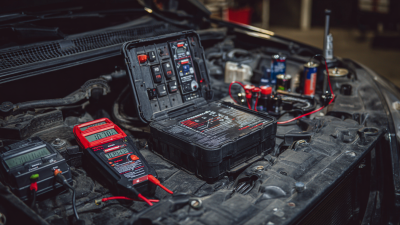
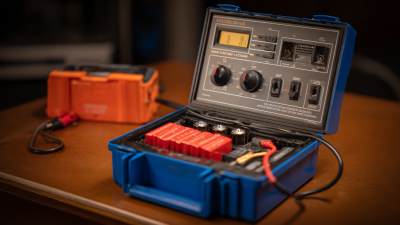
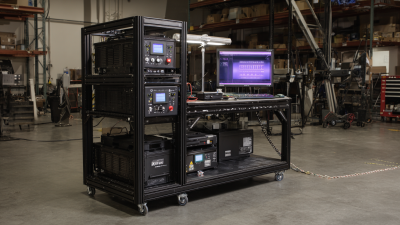
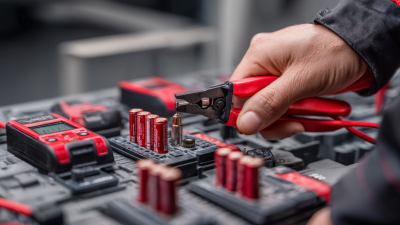
In today’s fast-paced digital world, making sure you have a reliable power supply is more important than ever for businesses. That’s why choosing the right Ups Battery Tester is such a key decision. I recently came across a report from MarketsandMarkets that predicts the global UPS market could hit around USD 15.6 billion by 2025. This boom is mainly because we’re all more dependent on electronic gadgets, and there's a growing need to keep power quality in check. A good UPS Battery Tester isn’t just about checking how your batteries are doing – it can really help you get more life out of your backup power systems and protect your investment.

Companies like Shenzhen Hongda New Energy Co., Ltd.have been leading the way in this space, serving over a thousand customers around the globe. By understanding the different benefits of various UPS Battery Testers, businesses can makesmarter choices tailored to their specific needs, making sure they stay up and running, even when the power goes out.
Understanding UPS Battery Basics: Lifespan, Types, and Maintenance Requirements
When you're looking into making sure your uninterruptible power supply (UPS) systems are reliable, it’s super important to understand the basics of UPS batteries. Honestly, the lifespan of these batteries really depends on the type you get and how well you maintain them—this can seriously impact the total cost of owning the system. For most UPS setups, you'll likely find valve-regulated lead-acid (VRLA) batteries in action, which typically last around 3 to 5 years. On the flip side, lithium-ion batteries can last over a decade, making them a pretty attractive long-term investment. The maintenance game is different too: VRLA batteries need regular checks and preventive care, while lithium-ion ones usually come with built-in management systems, so taking care of them tends to be a lot simpler.
The UPS market is definitely booming. It’s expected to hit about $14.5 billion by 2032, growing at a compound annual rate of over 6% since 2023. A big reason for this growth? The ever-increasing demand from industries like telecom and IT, where constant, reliable power is a must. Even within data centers, the need for UPS solutions is surging. Companies are realizing the importance of energy stability, and that has led to a surge in popularity for modular and scalable UPS systems—perfect for handling different capacities and needs, no matter the size of the facility. When you’re thinking about your own needs, investing in a good UPS battery tester is pretty much essential. It helps make sure your backup power stays reliable and lasts as long as it should.
Basically, understanding these basics and keeping up with the right tools can make all the difference in keeping your systems running smoothly — especially when it counts the most.
Ultimate Guide to Choosing the Right UPS Battery Tester for Your Business Needs
| Battery Type | Lifespan (Years) | Maintenance Requirements | Testing Frequency | Common Applications |
| Sealed Lead Acid (SLA) | 3-5 | Periodic visual inspection and cleaning | Every 6 months | IT Equipment, Security Systems |
| Lithium-Ion | 5-10 | Minimal; check for swelling or physical damage | Annually | Portable Devices, Laptops |
| Nickel Cadmium (NiCd) | 6-8 | Regular discharge tests and cleaning terminals | Every 6 months | Emergency Lighting, Aviation |
| Absorbent Glass Mat (AGM) | 4-7 | Check connections and clean terminals | Every 6 months | Telecommunications, Uninterruptible Power Supplies (UPS) |
| Gel Cell | 5-7 | Visual inspection and ensure proper venting | Annually | Renewable Energy Systems, Backup Power |
Key Features to Look for in a Quality UPS Battery Tester
When you're choosing a UPS battery tester for your business, it’s pretty important to think about a few key features that will ensure you’re getting reliable performance. First off, look for a tester that can do more than just measure voltage and current—something that actually checks the overall health of the battery. Things like load testing and capacity analysis are super helpful because they can catch problems early on, before they turn into big issues and cause downtime.
Another thing to keep in mind is versatility. A good UPS battery tester should work with different types of batteries—whether it’s sealed lead-acid, lithium-ion, or others—so you don’t have to buy multiple devices for different systems. Also, don’t forget about ease of use. A user-friendly interface with clear and simple reports will save you time and help you make quicker, smarter decisions to keep your operations running smoothly.
Industry Standards and Certifications for UPS Battery Test Equipment
When you're on the lookout for a UPS battery tester for your business, it’s pretty important to get what industry standards and certifications it meets. Trust me, knowing these details helps ensure your equipment’s accurate and reliable—that’s a game changer. Different industries often have their own specific testing requirements, and sticking to these standards can really boost your operations’ efficiency. For example, ISO 9001 is a standard that’s all about quality management systems. If your UPS tester checks all the boxes for ISO certifications, it’s usually a good sign that it’s measuring stuff accurately and reliably.
But don’t stop there—also keep an eye out for certifications like UL (Underwriters Laboratories) and CE (Conformité Européenne). UL means the product has gone through some pretty intense safety and performance testing in the States. Meanwhile, the CE mark shows it complies with European health and safety standards. Picking equipment that’s certified like this isn’t just about getting the job done right—it also helps keep you within legal regulations and safe from potential issues with batteries failing. Overall, going for certified tools gives you that peace of mind, knowing your equipment’s trustworthy and your business is protected.
UPS Battery Tester Standards and Certifications Overview
Cost Analysis: Budgeting for UPS Battery Testing Tools and Services
Thinking about buying UPS battery testing tools and services for your business? Honestly, doing a good cost analysis is key to making sure your budget is on point. Lately, I’ve come across reports showing just how invaluable budgeting apps have become for companies trying to keep their finances in check. One study even revealed that over 70% of folks using these apps said it made tracking expenses and managing resources way easier. That really underscores how helpful it is to adopt similar tracking methods when you're planning to invest in UPS battery testers.
Now, when it comes to the cost, keep in mind that the initial price for these testers can really vary depending on what features you need and how durable they are. Industry folks suggest you might be looking at spending anywhere from $500 to $3,000 for a solid, high-quality model. Don’t forget though, there could be additional costs down the line, like maintenance or service fees. And with tech advancing so fast, adopting new tools and integrations could push your computing costs up by almost 89%. Because of that, it's super important to think beyond just the upfront price — consider how these tools can boost your operational efficiency over time, saving you money in the long run. Using specialized financial software can really help get your budgeting on track, making it easier to allocate funds wisely and really maximize your ROI.
Data-Driven Strategies: Interpreting Test Results for Optimal Business Performance
When it comes to keeping your business running smoothly, picking the right UPS battery tester is pretty important. Using data-driven strategies can really help you understand your test results better, so you can make smarter decisions about your power setup. Knowing the capacity, voltage, and overall health of your UPS batteries can make a big difference—reducing downtime and keeping your services up and running, which is super crucial in today’s fast-moving world.
At Shenzhen Hongda New Energy Co., Ltd., we get how vital reliable energy solutions are. We’ve been around long enough—serving over a thousand customers from different countries—to know what works. Our goal is to provide top-notch battery testing tools that are customized to meet each client’s specific needs. When you trust the data from these tests, you can fine-tune your energy use, extend your batteries’ lifespan, and just run your business more efficiently.
So, let the data guide your decisions—this way, your investment in UPS systems really pays off and gives your business the boost it needs.
Future Trends: Innovative Technology in UPS Battery Testing Solutions
As more and more industries shift towards digital solutions, the need for innovative testing tools for Uninterruptible Power Supply (UPS) systems is becoming pretty clear. Looking ahead to the 2024 Spring Asia Charging Expo in Shenzhen, which will showcase over 56 local companies, it really highlights how tech in battery management is gaining momentum. One of the exciting shifts is in Wide Bandgap (WBG) power devices—things like Gallium Nitride and Silicon Carbide—that are totally changing the game when it comes to energy efficiency. These devices help boost performance and cut down energy waste, which is especially important with today’s digital infrastructure needs.
And talk about trends—ICTresearch points out that the market’s moving toward smarter lithium-ion batteries. These batteries make systems more reliable and last longer, which is a big deal. With electric and smart vehicles becoming more common, plus the rise of wearable devices powered by batteries, the importance of good UPS battery testers that can handle these new techs just keeps growing. Companies definitely need testing solutions that keep up with these advancements, especially as we push towards more sustainable and efficient energy practices. Thanks to these trends, Shenzhen Hongda New Energy Co., Ltd. is ready and eager to serve clients all around the world, always staying one step ahead of what the future of energy brings.
Optimizing Energy Solutions: The Importance of Precision Battery Test Racks for Accurate Cell Measurements
In the landscape of energy solutions, precision is paramount, especially when it comes to battery testing. The demand for accurate cell measurements has never been greater as industries work towards optimizing energy efficiency and performance. Precision battery test racks play a crucial role in this process, providing the necessary tools for engineers and researchers to evaluate battery cells effectively.
The 30U cabinet stands out in this arena, offering the largest capacity for industrial-grade battery testing. With support for a voltage range of 60V to 150V, it accommodates a diverse array of batteries, making it an essential asset for any testing facility. Additionally, the cabinet's capability to handle up to 48 channels for simultaneous tests ensures that the testing process is both efficient and comprehensive, allowing for a more thorough understanding of battery performance under various conditions.
Accurate measurements facilitated by advanced test racks not only enable manufacturers to enhance product reliability but also play a significant role in the development of next-generation energy solutions. With tools like the 30U cabinet at their disposal, companies can leap forward in battery technology, ensuring that their products meet the rigorous demands of today's energy markets.
FAQS
: Choosing the right UPS battery tester is crucial for ensuring optimal business performance as it helps in interpreting test results effectively, reducing downtime, and maintaining uninterrupted services.
Businesses should focus on understanding the capacity, voltage, and overall health of their UPS batteries to make informed decisions regarding power management solutions.
Data-driven strategies can optimize energy consumption, prolong battery lifespan, and improve overall efficiency by using precise data from battery tests to guide business decisions.
The 2024 Spring Asia Charging Expo in Shenzhen features over 56 local companies and emphasizes the growing demand for advanced technologies in battery management.
Advancements in Wide Bandgap (WBG) power devices like Gallium Nitride and Silicon Carbide are improving energy efficiency and performance in UPS battery testing solutions.
The market shift towards smart lithium-ion batteries enhances system reliability and lifespan, raising the importance of effective UPS battery testing amidst the rise of electric and smart vehicles.
Companies should seek battery testing solutions that integrate advanced technologies and align with the evolving standards of sustainability and efficiency in the current energy landscape.
Shenzhen Hongda New Energy Co., Ltd. provides tailored battery testing solutions and supports diverse clients globally, adapting to future demands in the energy sector.
Conclusion
In today’s fast-changing energy world, choosing the right UPS battery tester isn’t just a good idea — it’s pretty much essential for keeping your business running smoothly. This guide is gonna walk you through everything you need to know, from the basics of UPS batteries—like how long they last, the different types, and what kind of maintenance they need—to what features to look for in a reliable tester. We’ll also cover some smart budgeting tips for buying testing equipment or services, plus some handy, data-driven advice to help you interpret test results so you can actually improve your overall operations.
As one of the leading providers in the new energy scene, Shenzhen Hongda New Energy Co., Ltd. uses its vast know-how to help businesses make smarter choices when it comes to testing UPS batteries. With a solid track record of supporting over a thousand customers across different regions, we’re always pushing to stay ahead with the latest tech. Our goal? To make sure you get the most up-to-date solutions for testing your batteries, so your business stays powered and efficient.

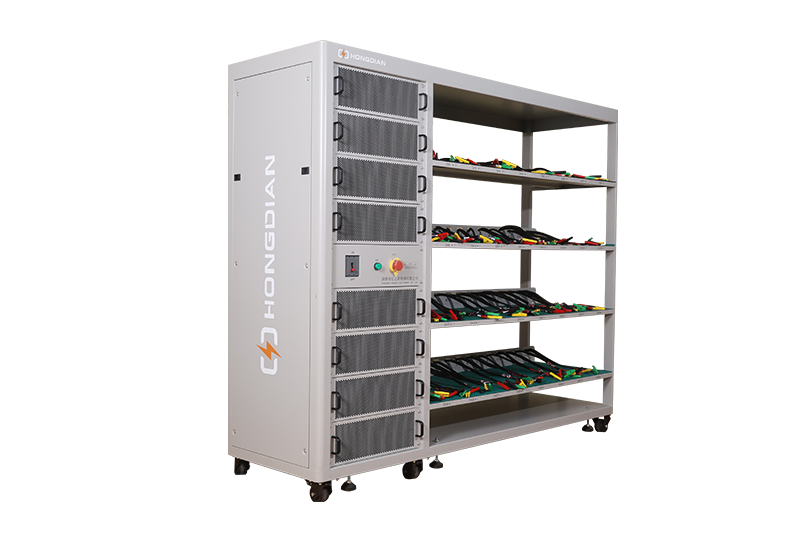 32/48 channel battery charging and discharging test integrated battery cabinet
 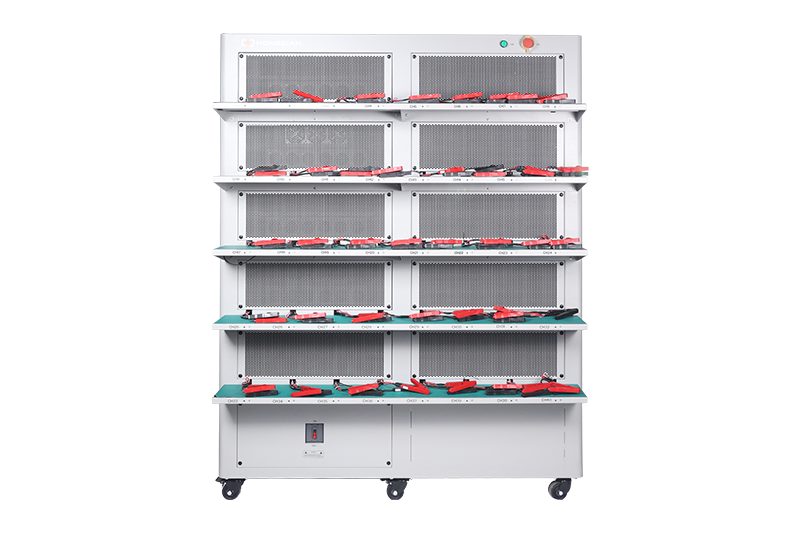 40 channel battery charging and discharging test integrated battery cabinet
  64 channel battery charging and discharging test integrated battery cabinet
 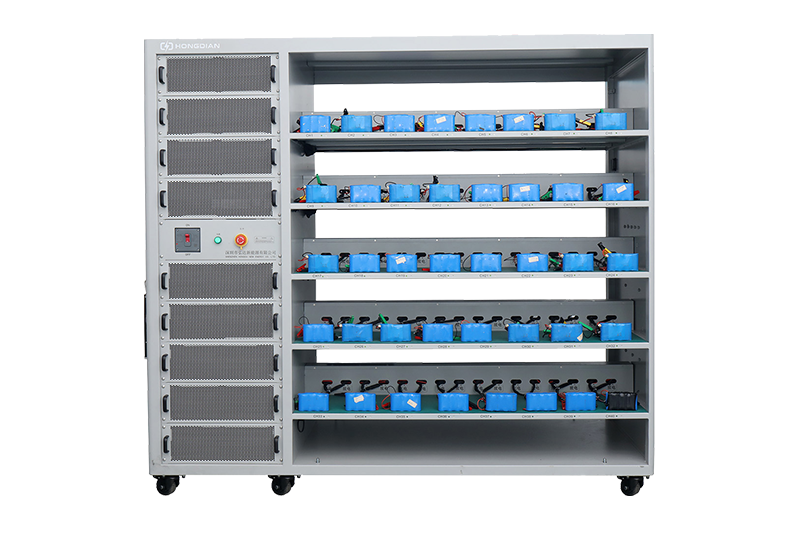 80 channel battery charging and discharging test integrated battery cabinet
 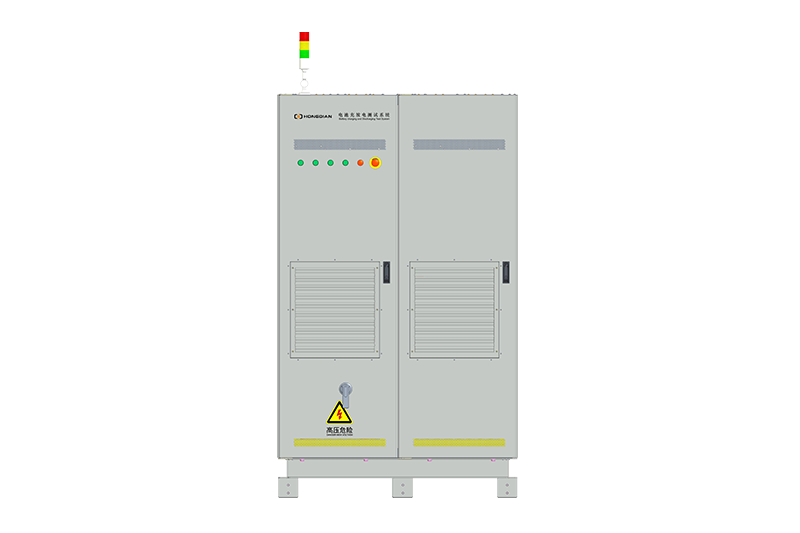 1000V-1500V High Voltage High Current Battery Testing System
 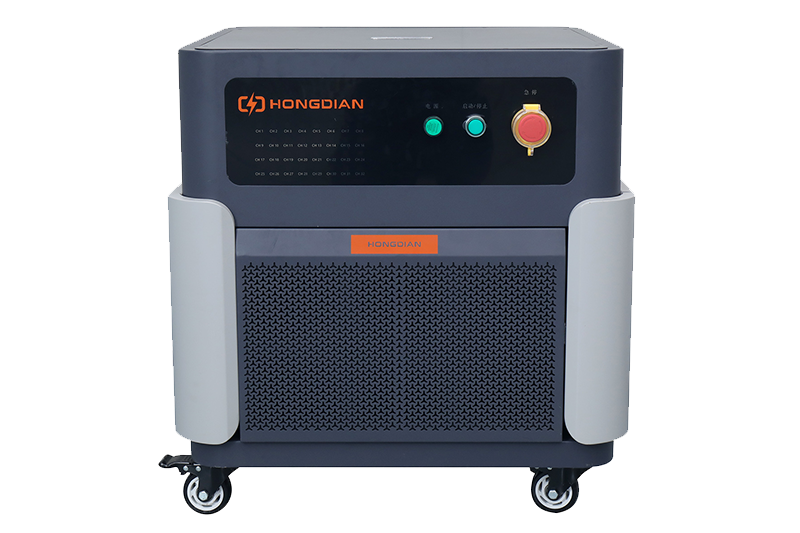 High-Precision Battery Testing System for Enhanced Performance Monitoring 30V/60V/100V/120V
 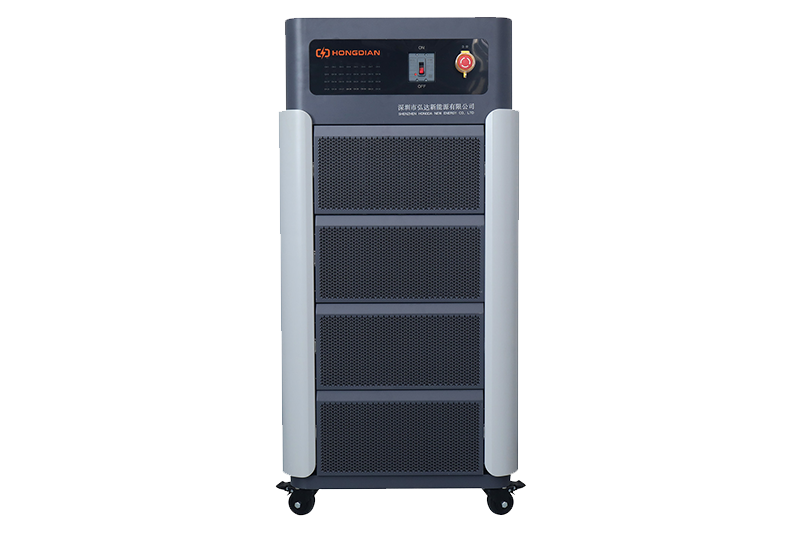 High-Precision Battery Charge Discharge Test Systems for EV Manufacturers
 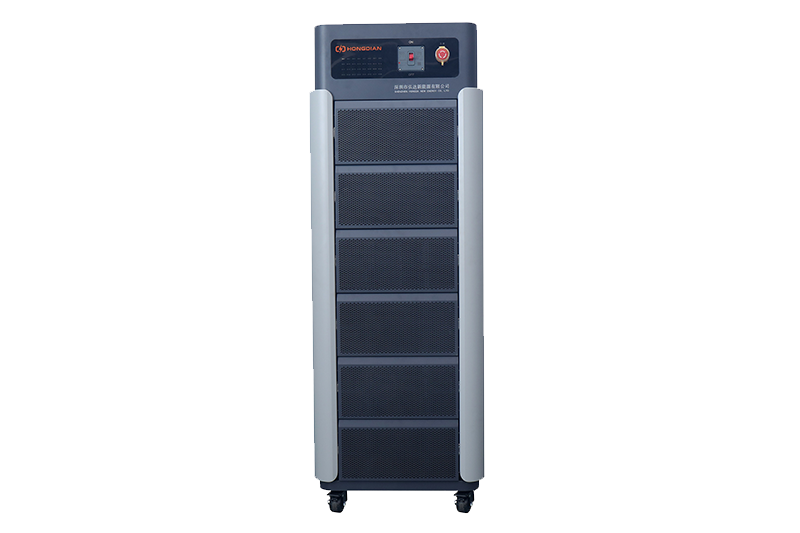 Precision Battery Test Racks for Cell Capacity & Internal Resistance Measurement
  Multi-Channel Battery Testing Equipment for Parallel Performance Analysis