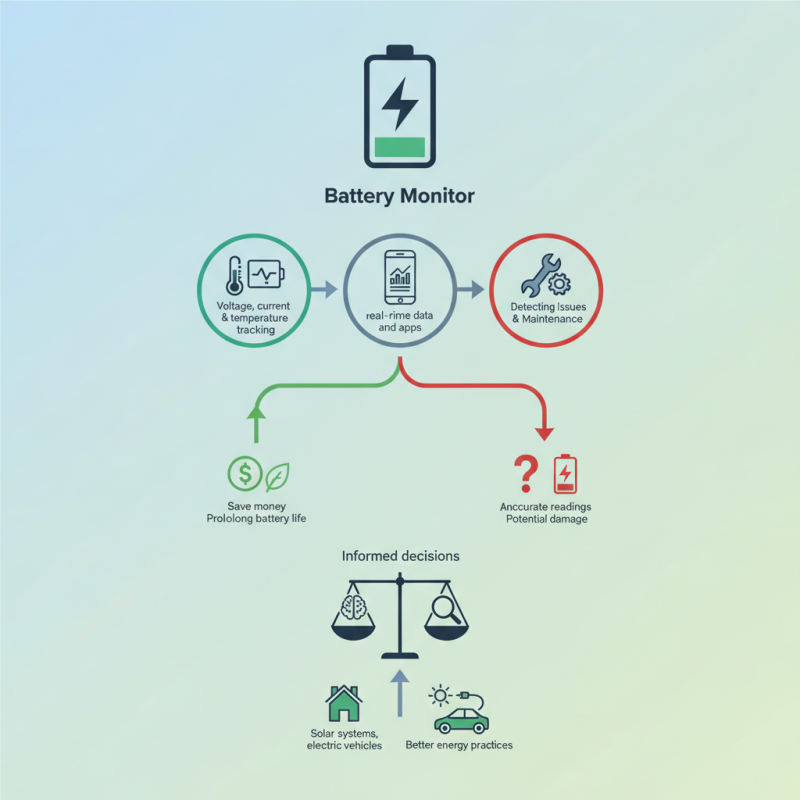
Hey, in today’s world, keeping an eye on energy use is more important than ever. A Battery Monitor can really help with that. It shows you real-time info about your battery’s health and how it’s performing, so you can catch any issues before they turn into big problems. This kind of tool is super handy whether you’re dealing with solar setups, electric vehicles, or anything else that needs batteries.
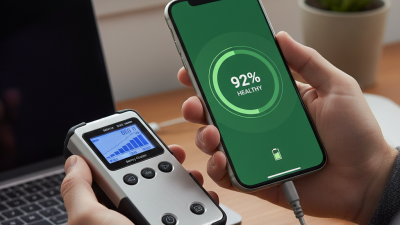
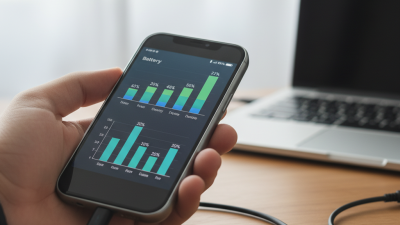
Understanding how a Battery Monitor works can actually empower you as a user. These things usually keep track of stuff like voltage, current, and temperature—stuff that's crucial for battery health. Plus, lots of them come with apps, making it easy to see all your battery stats on your phone or tablet. That way, you can be more efficient and even help your batteries last longer. But heads up—not all monitors are created equal. Some might miss key features or give you dodgy readings, which could lead to confusion.
Honestly, investing in a decent Battery Monitor might save you some serious cash down the road. It helps you spot patterns and make smarter calls about how you manage your batteries. Of course, with so many options out there, picking the right one can feel overwhelming. Still, the benefits of accurate, real-time battery info are totally worth it. Taking a little time to choose wisely can really pay off and lead to better energy habits overall.
What is a Battery Monitor?
A battery monitor is an essential tool for anyone who relies on battery-powered devices. It measures the battery's voltage, current, and state of charge. By providing real-time information, the monitor helps users understand how much power is left. This is crucial for deep cycle batteries often used in renewable energy systems or recreational vehicles.
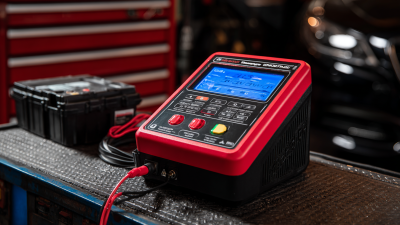
Understanding how a battery monitor functions can seem complex. It utilizes sensors to gather data from the battery. The information is then displayed on an LCD or LED screen. Users can quickly assess the battery's health and avoid the pitfalls of over-discharging. However, some people may overlook the importance of regular monitoring. Ignoring battery health can lead to unexpected failures. To counteract this, a Battery Tester For Deep Cycle Battery can serve as a helpful backup to ensure optimum performance.
In practice, many users find the visuals provided by the monitor helpful. It can alert them when a battery is nearing depletion. Yet, despite the advantages, not everyone pays attention to these alerts. This oversight can result in dead batteries and inconvenient situations. Awareness and timely action remain vital to maximizing battery life and efficiency.
The Importance of Battery Monitoring in Modern Technology
Battery monitoring is essential in today's technology-driven world. As devices become more complex, the need for reliable power sources grows. A study by the International Energy Agency highlights that battery usage in renewable energy storage is projected to triple by 2030. This emphasizes the importance of effective battery management systems.
The use of battery monitors ensures optimal performance. They provide real-time data on voltage, current, and temperature. This information helps prevent failures. According to a report from Navigant Research, battery failure rates can lead to significant losses, estimated at over $20 billion annually in the energy sector alone. High Voltage Battery Testers are crucial tools in identifying potential issues before they become critical.
Moreover, the impact of improper monitoring can be severe. Insufficient data leads to inefficient energy consumption and unnecessary costs. Many users underestimate the need for detailed monitoring. The path to improvement requires a shift in how we approach battery preservation and monitoring. Addressing these gaps can enhance sustainability and efficiency in technology deployment.
How Battery Monitors Function: Key Components Explained
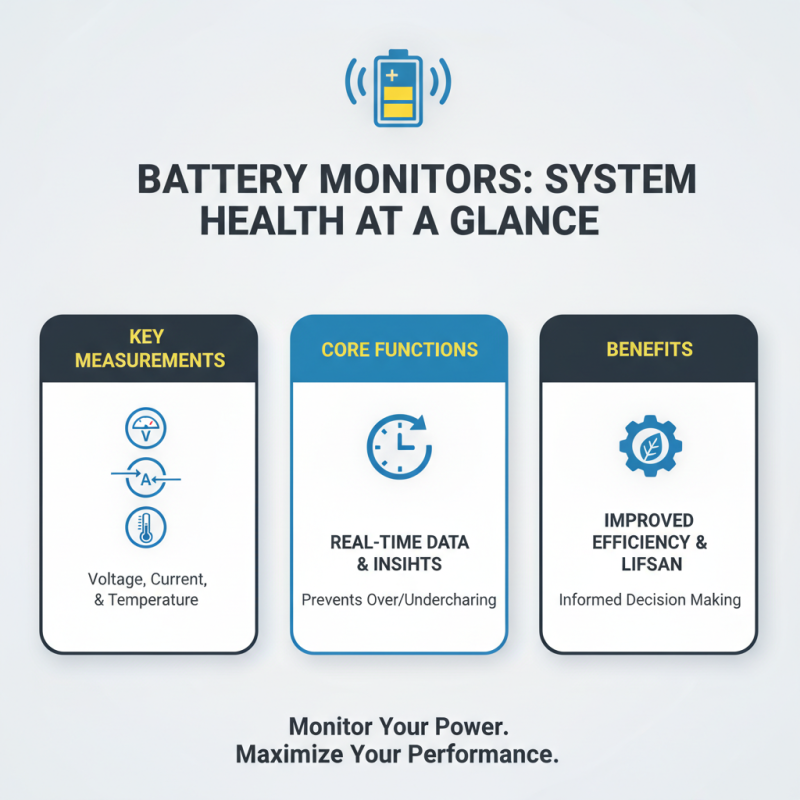
Battery monitors play a crucial role in understanding the health of your battery systems. These devices measure voltage, current, and temperature. They provide real-time data, helping users make informed decisions. High-quality battery monitors improve efficiency by preventing overcharging and deep discharging.
Key components of a battery monitor include shunts, sensors, and processors. Shunts measure current flowing in and out of the battery. Voltage sensors track battery voltage levels. Processors analyze this data and present it to the user in an understandable format. Reports show that a well-functioning monitoring system can enhance battery lifespan by up to 30%.
Tips: Regularly check the monitor’s readings. Unexpected drops can indicate issues. Ensure sensors are calibrated correctly for accurate measurements. Over time, components may wear out. It’s essential to review and replace them if needed.
Continuous monitoring of battery performance can lead to better maintenance strategies. Many users overlook environmental factors like temperature. High heat or frigid conditions can impact battery performance significantly. Remember to consider these aspects for optimal usage.
Types of Battery Monitors: Comparing Features and Applications
Battery monitors vary widely in their features and applications. Some focus on voltage and current readings, while others offer more advanced metrics. Simple models display essential data, like remaining battery life. These monitors are usually easy to operate. Users can quickly glance at the screen to check battery status.
Advanced models may provide detailed insights. They often track consumption patterns over time. These devices can alert users to potential issues, like overcharging or deep discharging. In marine or solar applications, choosing the right monitor is crucial. Understanding the specific needs of the application can lead to better performance.
However, not all monitors are perfect. Some may lack accuracy, leading to user frustration. Compatibility can also be an issue, especially with older batteries. The learning curve for advanced features might be steep for some users. Reflection on these aspects can help in making informed choices when selecting a battery monitor.
Benefits of Using a Battery Monitor in Energy Management
Battery monitors play a crucial role in energy management. They help users track battery health and usage in real time. According to a recent industry report, approximately 30% of battery failures occur due to improper monitoring. This statistic highlights the need for accurate battery management systems.
Using a battery monitor can lead to significant energy savings. Reports show that employing such devices can increase battery lifespan by 20%. This prolongs the time between replacements, reducing waste and costs. With advanced tools like the Emergency Light Battery Tester, users can ensure that batteries perform optimally during critical situations.
Battery monitoring isn't without its challenges. Some users may find setup complicated or may not understand the data being reported. Misinterpretation of battery state can lead to poor energy decisions. Despite these potential pitfalls, the benefits of real-time monitoring and insightful data visualization often outweigh the drawbacks. Investing in proper monitoring tools is essential for effective energy management.
Battery Monitor Data Overview
| Feature | Description | Benefits | Typical Use Cases |
| Voltage Monitoring | Tracks the voltage level of batteries to ensure they are operating within safe limits. | Prevents damage from over-voltage or under-voltage conditions. | Electric vehicles, solar energy systems. |
| Current Measurement | Measures the current flowing in and out of the battery. | Provides insight into battery usage and life expectancy. | Renewable energy systems, backup power systems. |
| State of Charge (SoC) | Estimates the percentage of charge remaining in the battery. | Helps users manage energy consumption effectively. | Mobile homes, RVs, marine applications. |
| Temperature Monitoring | Monitors temperature to ensure safe operating conditions. | Reduces risks of thermal runaway and prolongs battery life. | Electric vehicles, energy storage systems. |
| Data Logging | Records battery data over time for analysis. | Provides historical performance data for better management. | Research, system optimization, troubleshooting. |
Common Battery Monitoring Technologies and Their Mechanisms
Battery monitoring is crucial for maintaining the health of batteries in various applications. Different technologies are employed in battery monitoring systems, each with unique mechanisms. These systems track voltage, current, temperature, and state of charge. The most common methods include voltage measurement and coulomb counting.
Battery management systems (BMS) commonly use voltage measurement. This method assesses the voltage of individual cells. It provides real-time data on battery health. Coulomb counting, on the other hand, measures the current flowing in and out of the battery. This method estimates the charge remaining. It can be quite accurate in most scenarios.
When selecting a battery monitoring method, consider the level of accuracy needed. Some methods may not provide complete information about battery life. It's essential to reflect on the specific requirements for your setup. For general assessments, a simple tool, like a battery tester, can be effective.
**Tips:** Regularly check battery conditions. Do not wait for warning signs. Implement tracking systems early on. Staying proactive reduces risks for larger equipment.
Battery Monitoring Technologies Overview
This chart illustrates the performance of different battery monitoring technologies based on their voltage and capacity tracking efficiency over time.
Tips for Choosing the Right Battery Monitor for Your Needs
Choosing the right battery monitor can be a daunting task. First, consider the type of battery system you have. Different technologies exist, such as lithium-ion or lead-acid. According to industry reports, nearly 30% of users face compatibility issues when selecting monitors. This highlights the importance of matching specifications to your battery type.
Think about the features you need. Some monitors provide real-time data on voltage and current, while others offer historical insights. A study found that 60% of users prefer monitors with Bluetooth connectivity. This makes it easier to access data via mobile apps. However, many users may overlook the importance of ease of installation.
Budget is another critical factor. High-end monitors can range from $100 to $300. In contrast, basic models may offer limited functionality for under $50. This may lead to regrets later, especially if the monitor fails to provide necessary alerts. Consider long-term value rather than just initial cost. Finally, remember that advanced monitors might have a steeper learning curve. Balancing features and usability is key for making an informed decision.
Optimizing Battery Performance: Insights from Industry Reports on High-Precision Testing Systems for 30V to 120V Applications
In the rapidly evolving landscape of battery technology, optimizing battery performance is critical, especially in applications requiring high precision testing across varying voltage ranges from 30V to 120V. Recent industry reports highlight a growing demand for testing systems that can efficiently manage these complexities. Among these, the 6U Battery Testing cabinet stands out, engineered specifically to meet more challenging test scenarios, supporting up to 8 channels for extensive battery evaluations.
Data indicates that numerous industries are transitioning to higher voltage battery systems to enhance energy density and performance. With the need for consistent and rigorous testing protocols, the 6U cabinet accommodates a comprehensive range of battery voltages, making it an essential tool for developers engaged in high-performance battery applications. This system's capacity to handle multiple channels simultaneously allows for increased throughput and efficiency during the testing phase, crucial for meeting tight development timelines.
Furthermore, ongoing industry analyses suggest that implementing high-precision testing systems can lead to significant improvements in battery reliability and lifespan. As the market grows, investing in advanced testing solutions like the 6U battery testing cabinet not only facilitates compliance with evolving standards but also ensures that innovations in battery technology can be properly vetted and optimized for the future.
FAQS
: The service aims to provide helpful information and assistance. It supports users in finding solutions.
Accessing the service usually requires an internet connection. You can use various devices, like smartphones or computers.
The service is typically free, but some features may have fees. Always check the terms for clarity.
Data protection is essential. The service should implement measures to keep your information safe from unauthorized access.
Yes, user feedback is valuable. Suggestions help improve the service, but responses may not always be immediate.
If you face issues, consult the help section. Sometimes, simply restarting the application solves the problem.
Updates can vary. Regular updates might enhance features, yet some functions may still need improvement.
Usually, account cancellation can be done through account settings. It’s not always straightforward, and responses may differ.
Offline access may be limited or not available. Check the features for offline capabilities before relying on them.
Customer support can be contacted through email or chat. However, response times may be slower than expected.
Conclusion
A Battery Monitor is an essential device used to oversee the health and performance of batteries, providing real-time data on their charge status, voltage, and overall condition. With the growing reliance on battery-powered systems in various sectors, effective battery monitoring has become crucial for ensuring efficiency, safety, and longevity of energy storage systems.
Battery Monitors operate through several key components, including sensors and communication interfaces, which allow for accurate tracking of battery parameters. Various types of Battery Monitors cater to different needs and applications, offering features like wireless connectivity and advanced analytics. Utilizing a Battery Monitor significantly enhances energy management by preventing overcharging and deep discharging, ultimately maximizing battery life and performance. As such, choosing the right Battery Monitor tailored to specific requirements can profoundly impact energy efficiency and sustainability efforts.

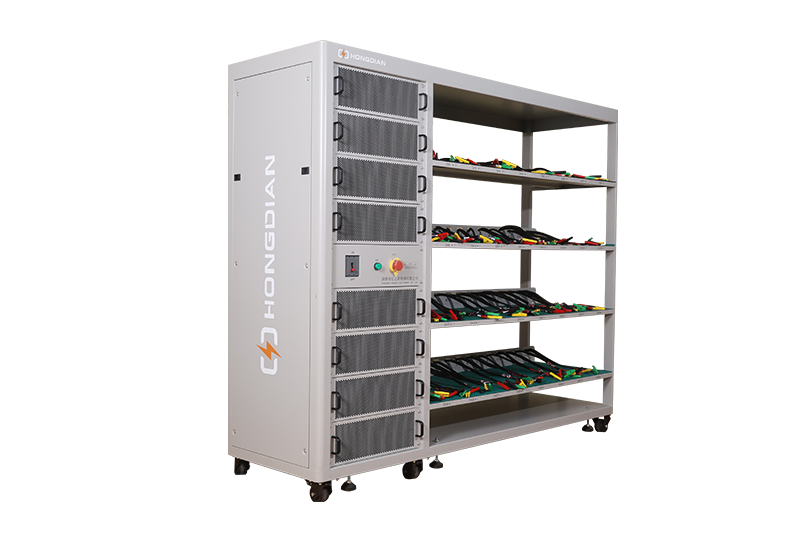 32/48 channel battery charging and discharging test integrated battery cabinet
 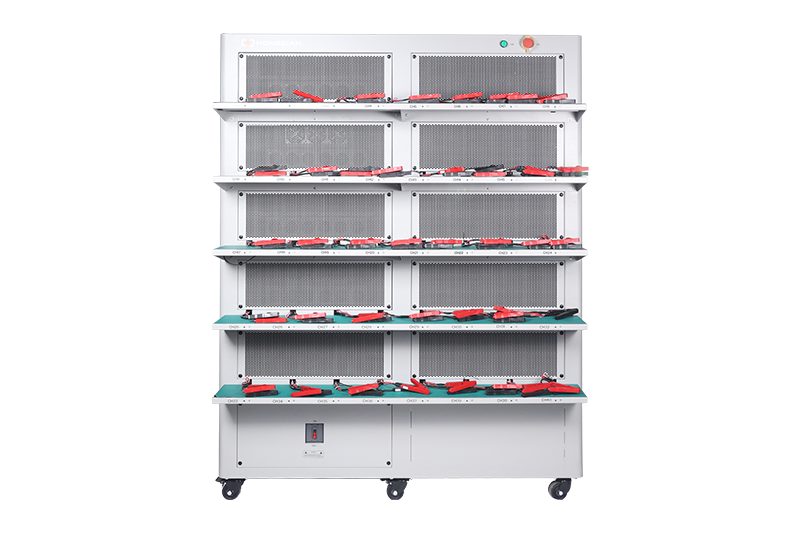 40 channel battery charging and discharging test integrated battery cabinet
  64 channel battery charging and discharging test integrated battery cabinet
 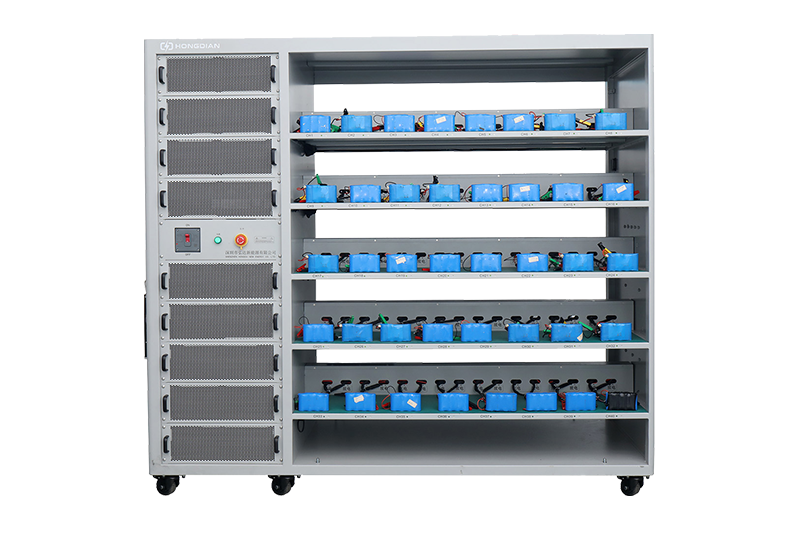 80 channel battery charging and discharging test integrated battery cabinet
 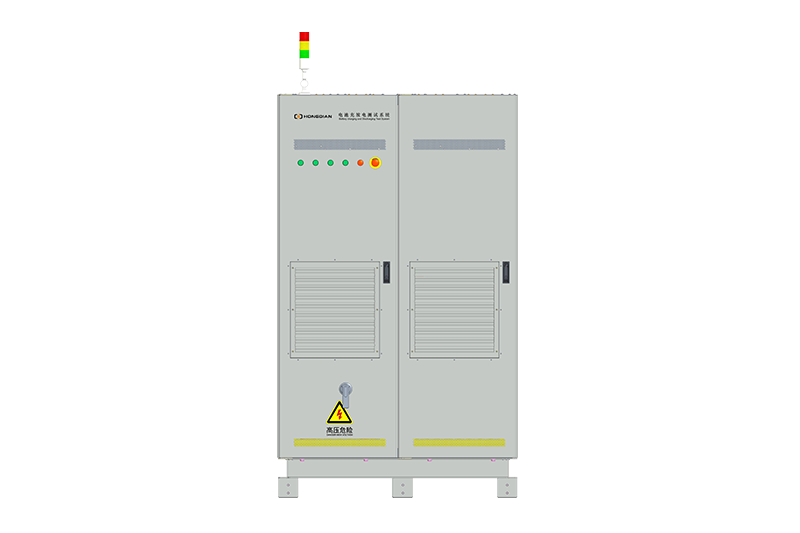 1000V-1500V High Voltage High Current Battery Testing System
 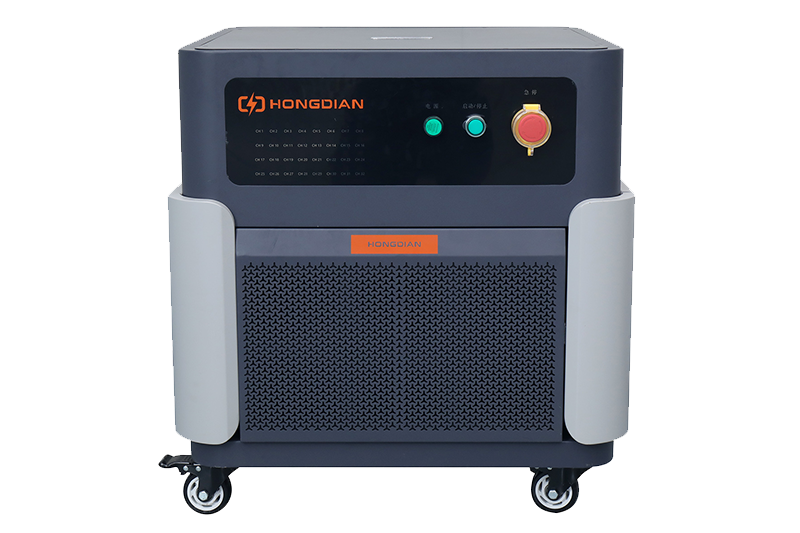 High-Precision Battery Testing System for Enhanced Performance Monitoring 30V/60V/100V/120V
 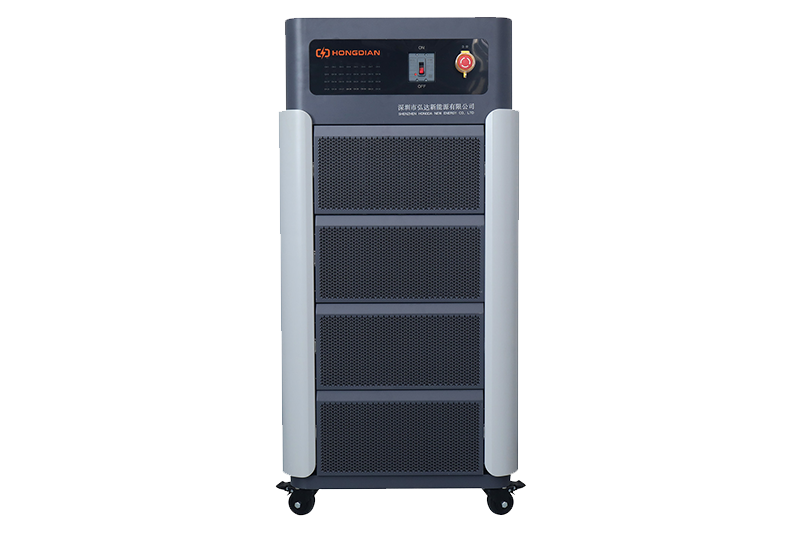 High-Precision Battery Charge Discharge Test Systems for EV Manufacturers
 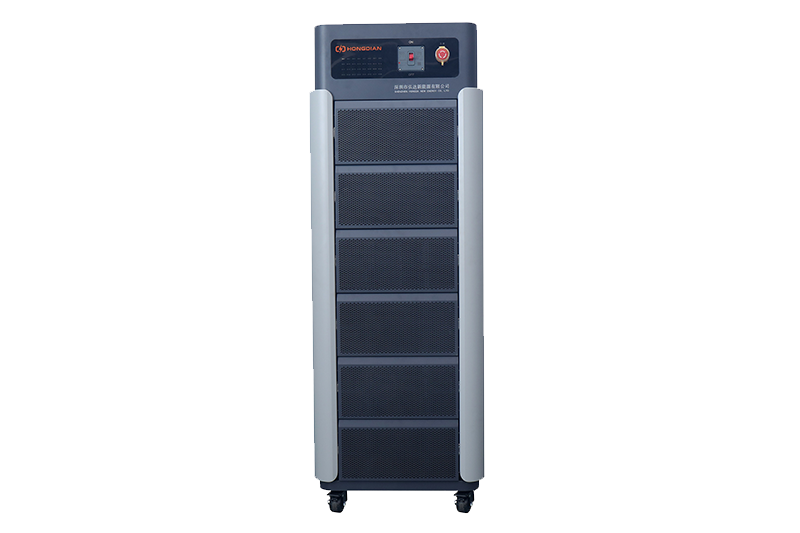 Precision Battery Test Racks for Cell Capacity & Internal Resistance Measurement
  Multi-Channel Battery Testing Equipment for Parallel Performance Analysis